Drew Schmid · 13 September 2026
Adaptive Reuse Projects Tap Abandoned Rail Depots for Niche Tech Incubator Spaces
Adaptive reuse initiatives have turned several abandoned rail depots into specialized tech incubator spaces across multiple regions, and data from preservation agencies shows this approach preserves historic structures while creating flexible workspaces for startups. Cities in the Midwest and Pacific Northwest have led these conversions since the early 2020s, because rail depots often feature high ceilings, open floor plans, and robust infrastructure that suit the needs of software developers, hardware labs, and collaborative research teams. Observers note that these projects align with broader trends in sustainable development where existing buildings reduce the demand for new construction materials and lower overall carbon footprints according to figures from the National Park Service.
Historical Context and Project Drivers
Rail depots fell into disuse as freight and passenger services shifted in the late twentieth century, yet their solid construction and central locations made them prime candidates for redevelopment once local economies pivoted toward technology sectors. Researchers at the University of Pennsylvania documented how municipalities began inventorying these sites around 2018, and subsequent grants from federal and state programs accelerated planning phases. By 2023, several depots had completed initial environmental assessments that addressed legacy contaminants from decades of rail operations, while engineers integrated modern insulation, high-speed fiber networks, and energy-efficient HVAC systems without altering original architectural features.
What's interesting is that funding often combines historic tax credits with economic development incentives, and this mix allows private developers to partner with nonprofit incubator operators. One study revealed that such financing structures cut project timelines by up to eighteen months compared with ground-up builds, because permitting processes move faster when structures already exist. Cities have also tied these conversions to broader workforce training goals, so incubator tenants frequently host apprenticeships that connect community colleges with emerging tech employers.
Design Adaptations and Functional Layouts
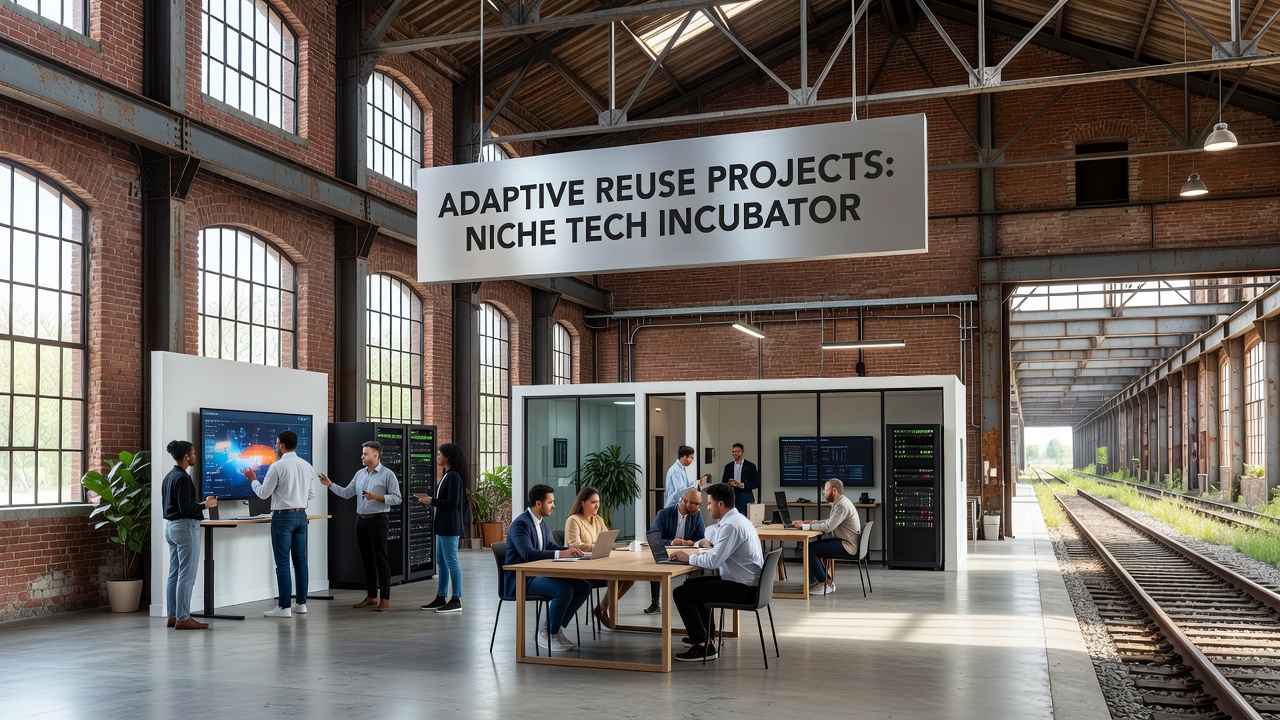
Architects retain the industrial character of depots by exposing brick walls and steel trusses, while adding modular partitions that let tenant companies scale their footprints quickly. Climate control systems now maintain stable temperatures for sensitive equipment, and loading docks have been repurposed as secure entry points for large hardware shipments. Observers note that natural light from original clerestory windows reduces daytime electricity use, and some projects have added solar arrays on adjacent rail yards to offset remaining demand.
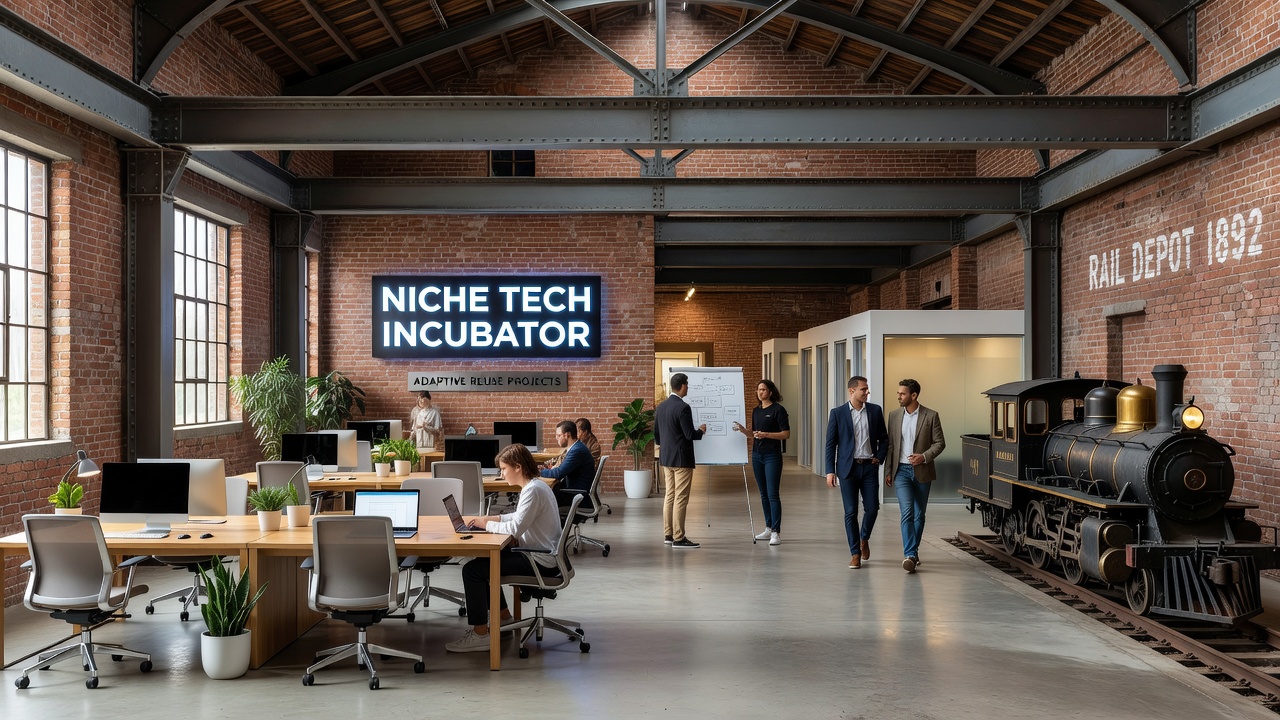
Those who've studied similar conversions point out that acoustic treatments and zoned power grids address the specific requirements of prototyping labs and data analytics teams. In one documented case, a former switching yard depot now houses both a robotics accelerator and a cybersecurity firm, with shared conference rooms carved from the old ticket office. These layouts encourage cross-pollination among residents, and facility managers report higher occupancy rates than in conventional office parks because the unique setting attracts talent seeking distinctive work environments.
Economic and Environmental Outcomes
Employment data compiled by regional economic councils indicates that each completed depot incubator has generated between 120 and 180 direct jobs within the first two years of operation, while indirect effects ripple through local supply chains for food services adn maintenance contractors. Property tax assessments rise once buildings return to active use, and surrounding blocks often see increased foot traffic that supports retail and transit improvements. Environmental metrics tracked by the Environmental Protection Agency show measurable declines in stormwater runoff after depots receive updated drainage systems and permeable paving in former parking areas.
Yet challenges persist around connectivity to public transit and broadband redundancy, so project teams coordinate with utilities early in the design process to avoid later bottlenecks. September 2026 marks the scheduled opening of a Pacific Northwest depot conversion that will incorporate geothermal wells beneath the rail platform, and planners expect this addition to set new benchmarks for energy performance in adaptive reuse buildings.
Future Trajectory and Policy Support
Legislative updates in several states now streamline review processes for historic rail properties when they target innovation economy tenants, and industry groups have published best-practice guides that detail successful permitting pathways. Academic researchers continue to monitor long-term performance data, and early results suggest these spaces maintain higher tenant retention than standard commercial real estate because the historic ambiance and community atmosphere reduce turnover costs. International examples from Canada and Australia demonstrate parallel strategies, where heritage rail sites serve as anchors for regional tech clusters supported by targeted infrastructure investments.
Conclusion
Adaptive reuse of abandoned rail depots into niche tech incubator spaces has produced measurable economic, environmental, and cultural benefits in multiple jurisdictions, and ongoing projects scheduled through 2026 indicate continued momentum. Preservation incentives combined with technology-sector demand create viable pathways for these conversions, while design strategies preserve architectural heritage and meet contemporary operational needs. Data from government agencies and academic sources confirms that such initiatives contribute to urban revitalization without requiring expansive new land development.